The robotic pool cleaner market is experiencing unprecedented growth. In 2025, the global market for robotic pool cleaners was valued at USD 1.17 billion and is projected to reach USD 9.66 billion by 2035, at a compound annual growth rate (CAGR) of 23.5%. Consumer demand for pool robots is shifting from “just cleaning” to “intelligent cleaning.” Cordless pool robots now account for 55% of shipments — a clear signal that autonomous navigation capability has become the core of product competitiveness.
The key to making pool robots intelligent lies in equipping them with reliable perception. The fundamental challenge is that a swimming pool is an environment hostile to most sensors. GPS and BeiDou fail completely underwater; Wi-Fi, Bluetooth, and other RF signals attenuate so rapidly in water that communication becomes impossible within a few centimeters; underwater
cameras perform adequately in clear water but lose substantial recognition capability once the water becomes turbid, bubbles appear, or backlighting occurs.
The industry is looking for a perception solution that truly belongs underwater. The answer is ultrasound.
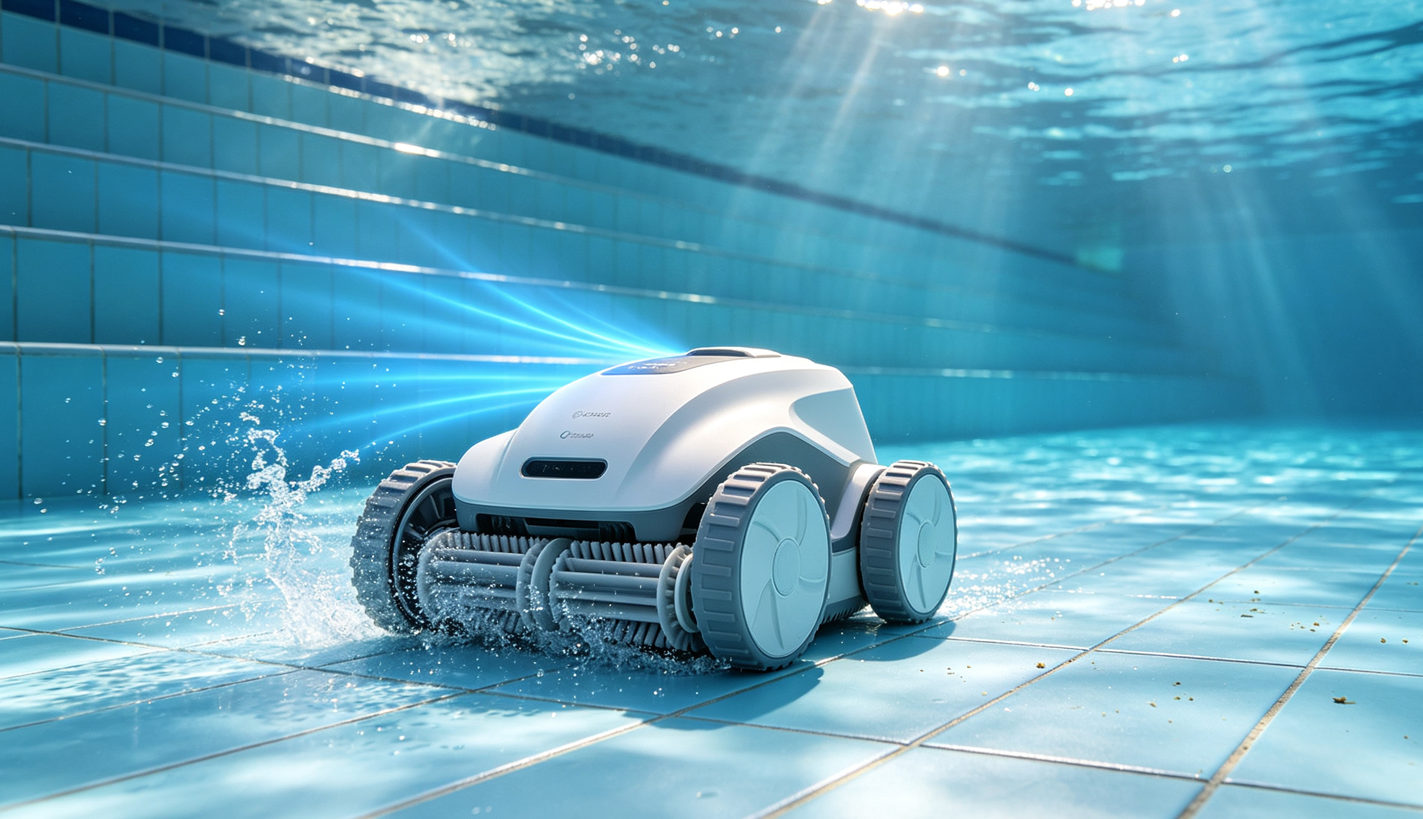
Technology Evolution: From Physical Bumping to Sonic Perception
Pool robot obstacle avoidance technology has undergone three distinct evolutionary generations:
First generation: Mechanical bump switches. This is the most primitive approach — the robot only triggers a turn after physically hitting the wall, step, or ladder. The result is frequent jamming on steps and around pipes, low cleaning coverage, and a purely reactive form of obstacle avoidance.
Second generation: Ultrasound�centric multi�modal fusion. This employs multiple ultrasonic transducer arrays, using Time�of�Flight (ToF) to capture echoes, and applies AI algorithms to distinguish pool walls, steps, underwater ladders, pipes, and false echoes from bubbles. It enables pre�emptive deceleration and detouring, eliminating the need for collision�triggered turns. This is currently the mainstream solution, addressing the pain points of irregularly shaped pools, curved edges, and shallow�step entrapment.
Third generation: Ultrasonic arrays + acoustic imaging. This upgrades from “measuring distance” to “seeing contours” — using multi�channel ultrasonic arrays to identify structural obstacles such as steps and handrails, thereby supporting underwater SLAM mapping.
A growing industry consensus is that vision cannot serve as the primary obstacle�avoidance sensor for pool robots on its own; ultrasound must be the fallback perception method.
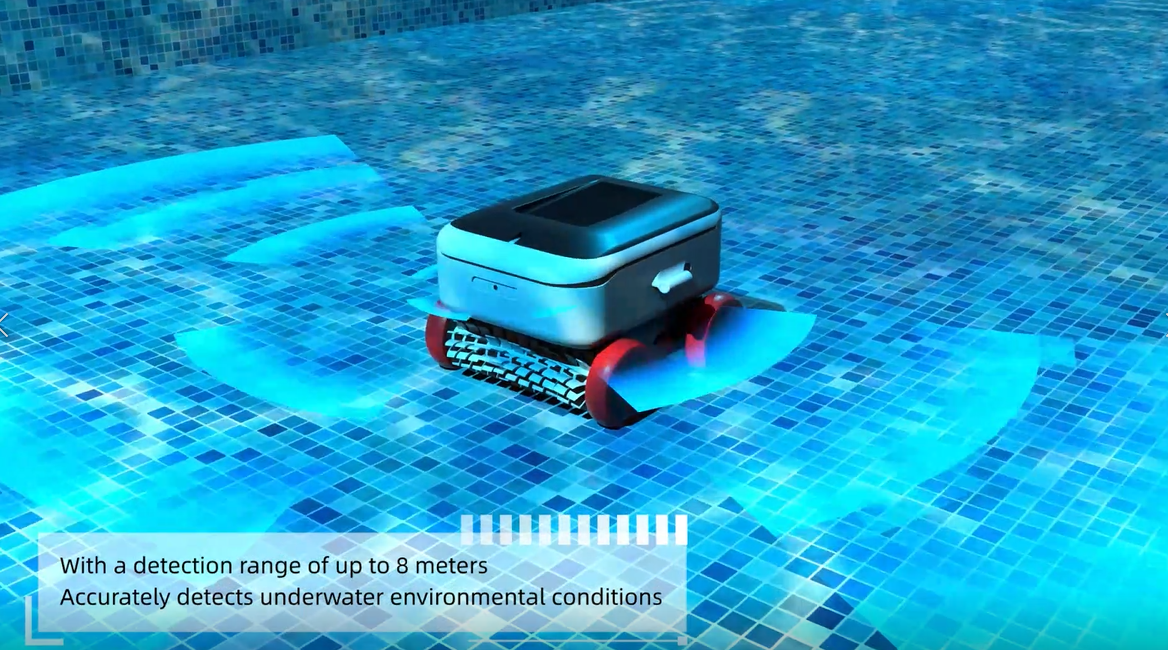
Why Ultrasonic ?
Ultrasonic becomes the “optimal solution” for underwater perception due to its physical properties. Ultrasound is a mechanical wave with a frequency above 20 kHz. It propagates in water with low attenuation and good directivity, at a speed of approximately 1500 m/s, and is minimally affected by water quality. Using the Time�of�Flight (ToF) method, the ultrasonic transducer emits a pulse of ultrasonic waves toward the target. The waves reflect off obstacles and return as echoes. By accurately calculating the time interval between transmission and reception, and combining it with the speed of sound in water, the system can obtain the real�time distance between the sensor and the target.
This physical principle endows ultrasonic ranging with a natural technical advantage in underwater environments — it maintains stable and reliable measurement performance even in low�visibility, turbid water.
Beyond distance sensing, ultrasound also performs another critical role underwater — underwater acoustic communication. By modulating binary data into ultrasonic pulse sequences — using, for example, Frequency�Shift Keying (FSK) or Phase�Shift Keying (PSK) — the transducer can encode robot status, battery level, cleaning progress, and other data into acoustic signals for transmission. A surface base station receives and demodulates these signals to restore the data, enabling real�time information exchange between the underwater robot and the surface control unit.
Today, industry technology has achieved a multiplexing scheme within ultrasonic sensors, allowing ranging and communication tasks to be performed without additional hardware. This approach not only eliminates the inefficiency of pool robots frequently surfacing to switch Wi�Fi connections, but also significantly reduces overall BOM cost and product volume. It is rapidly becoming the standard configuration for high end pool robots.
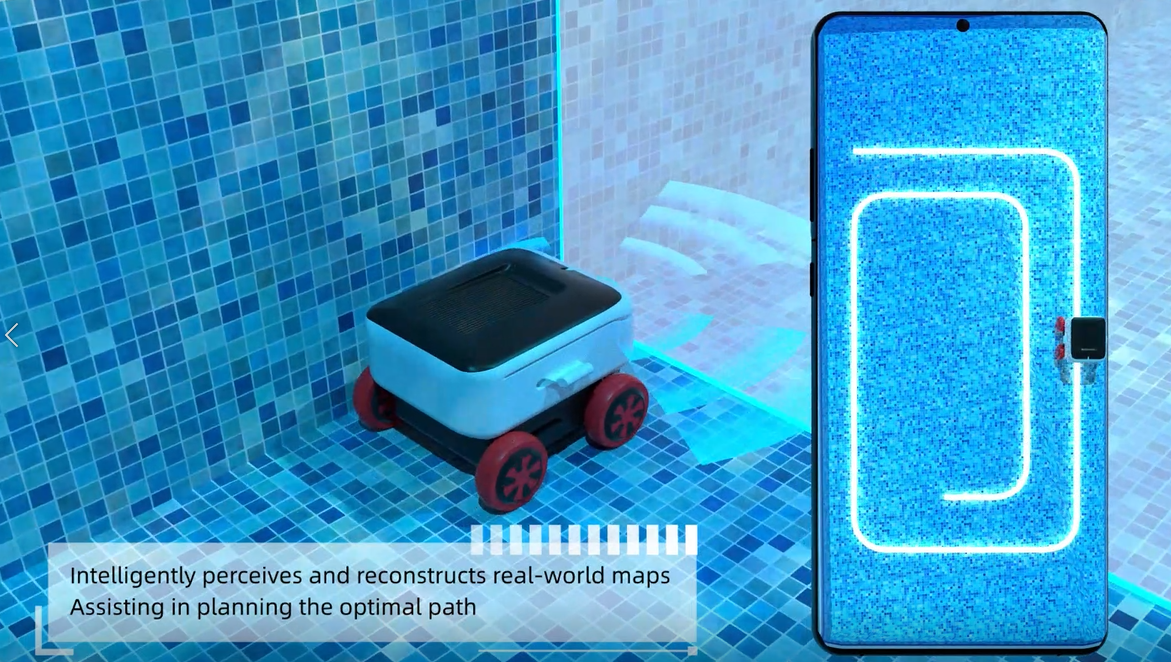
Advantages of Ultrasonic Sensors
All Weather Reliable Perception
Unaffected by water turbidity, bubbles, or lighting conditions; performs stably even in low visibility water.
Extended Range + Ultra Short Blind Zone
A sensing range of over 8 meters enables early detection of large�scale pool structures, assisting the robot in building a complete underwater map and planning optimal cleaning paths. An ultra short blind zone of only 6 cm ensures that the robot still obtains valid distance information when approaching pool walls, steps, and handrails, achieving precise obstacle avoidance and edge�hugging cleaning.
IP68 Waterproof Protection
Pool environments involve multiple harsh factors: immersion, disinfectant corrosion, and water flow impact. IP68�rated protection means the sensor is completely dust�tight and can operate continuously while submerged at depths exceeding 1 meter without performance degradation.
Integrated Sensing and Communication
The same piezoelectric transducer can time share between ranging and underwater acoustic communication, reducing overall product volume, power consumption, and material costs — this is the most critical evolutionary direction for the consumer pool robot supply chain.
Underwater Ultrasonic Ranging Sensor
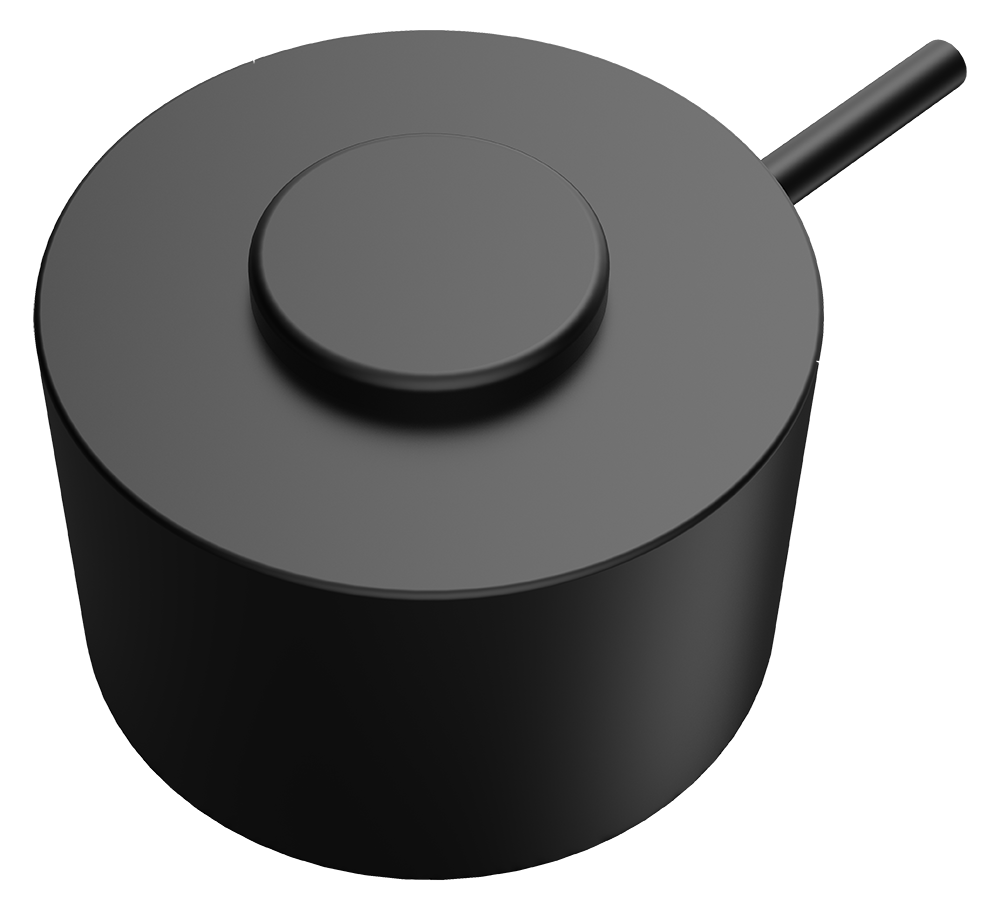
Product Model | UD0001 |
Ranging Range | ≥ 8 m |
Operating Voltage | 12 V |
Operating Depth | ≤ 2.5 m |
Measurement Accuracy | ± 30 mm |
Blind Zone | ≤ 6 cm |
Communication Interface | RS485 |
Underwater Ultrasonic Ranging and Communicating Sensor
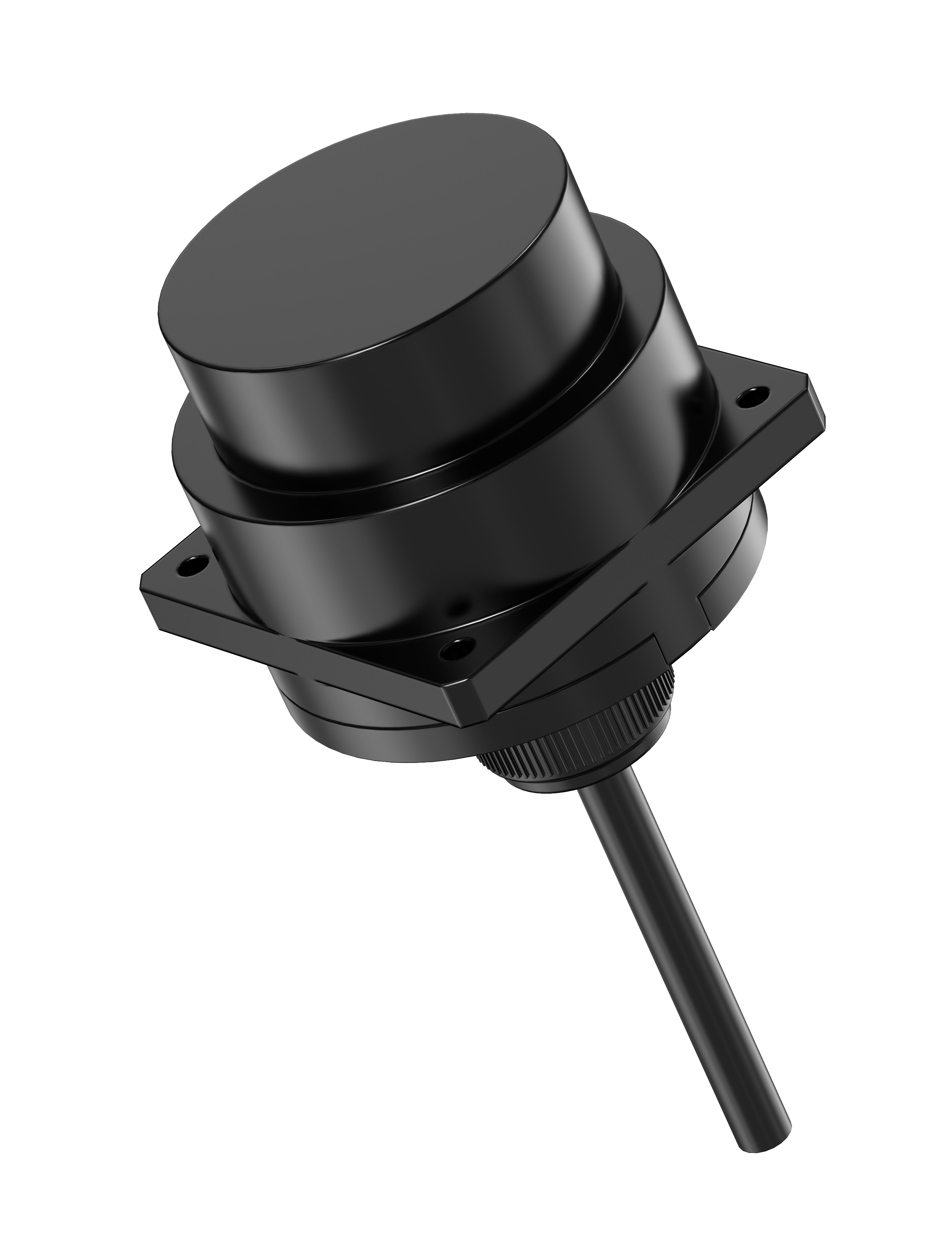
Model | UD2002 |
Communication & Ranging Range | 0.1 ~ 20 m |
Data Rate | 200 bps |
Ranging Interval | 300 ms |
Bit Error Rate | ≤ 10⁻³ |
Frame Loss Rate | ≤ 1 % |
Communication Interface | UART |
Protection Rating | IP68 |
From CES 2026 to IFA 2026, from Beatbot to Roborock, leading industry players have all adopted ultrasonic perception as the core feature of their flagship products. Pool cleaning robots are evolving from “random bumping” to “autonomous navigation,” and ultrasonic underwater obstacle�avoidance sensors are the critical hardware foundation of this transformation.
The global pool robot market is projected to reach USD 9.66 billion by 2035. Whether you are a pool robot OEM, brand owner, or system integrator, underwater ultrasonic perception capability will be the key differentiator defining the competitiveness of next�generation products.




 Focus on us