The piezoelectric liquid pump (piezoelectric liquid pump) is based on the inverse piezoelectric effect of piezoelectric ceramics. Through an alternating electric field, it excites a piezoelectric vibrator to generate high-frequency micron-level reciprocating deformation, periodically and dynamically changing the pump chamber volume. Combined with a one-way valve structure or a valveless microfluidic rectification structure, it achieves high-precision, continuously controllable liquid intake and discharge. This solution completely abandons traditional rotating friction structures such as motors, impellers, bearings, and coils, and directly converts electrical energy into fluid driving force. It is currently the only active microfluidic actuator in the consumer electronics field capable of achieving millimeter-level ultra-thinness, low power consumption, zero electromagnetic interference, and digitally precise flow control.
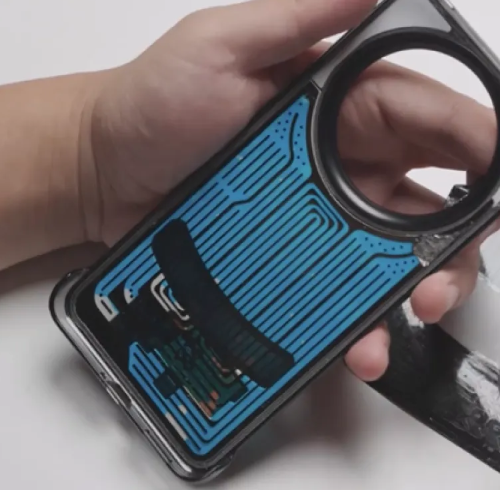
Horizontal Comparison of Mainstream Cooling/liquid pump Solutions
In response to the stacking constraints, EMI specifications, noise requirements, and battery life constraints of smartphones, tablets, and XR wearable devices, the actual implementation differences of various cooling solutions are as follows:
Solution | Advantages | Mass-Production Pain Points | Applications |
Piezoelectric liquid pump | Ultra-thin, zero EMI, silent, very low power, programmable flow | Limited back pressure, needs dedicated HV driver, sealing validation | AI flagships, foldables, thin tablets, XR glasses |
Micro fan | High flow, low cost, high back pressure | Thick, noisy, bearing wear, strong EMI | Gaming laptops, gaming phones |
Electromagnetic diaphragm pump | High back pressure, mature | Severe coil EMI, high power, thick, noisy | Industrial equipment, large appliances |
Vapor chamber/heat pipe (passive) | Zero power, simple | Cannot actively move heat, easily throttled | Mid-to-low-end phones, thin devices |
Core Differentiated Advantages of Piezoelectric Liquid Pumps
1. Ultra-Small Size, Ultimate Stacking Advantage
The overall module thickness of the piezoelectric liquid pump can be controlled at 1--2 mm, with no rotating structures. It can be embedded in SoC hotspots, foldable screen hinge gaps, XR temple arms, and other areas that traditional cooling solutions cannot enter, completely resolving the industry contradiction of "thinner chassis = degraded cooling" in current flagship phones.
2. Zero Electromagnetic Interference, Compatible with Terminal RF and Sensor Systems
No coils, no magnets, no high-frequency electromagnetic radiation. It will not interfere with 5G/5.5G RF, GPS, wireless charging, gyroscopes, or under-display optical sensors. Smartphone manufacturers do not need additional shielding structures, greatly reducing whole-device EMI debugging costs and risks. It is currently the only active cooling solution that can be deployed in sensor-dense areas.
3. Ultra-Low Power Consumption, Without Sacrificing Whole-Device Battery Life
The operating power consumption of the piezoelectric liquid pump can be as low as tens of mW, more than 90% lower than traditional micro fans. Combined with a dedicated high-voltage driver ASIC, it can achieve on-demand variable-frequency operation: sleep under low load, full speed under high load, achieving "cooling without draining battery, extreme performance without frame drops." Measured results show that under equivalent computing power scenarios, the whole-device battery life loss of piezoelectric liquid cooling is only 1/10 that of air cooling solutions.
4. Fully Silent and Vibration-Free
No mechanical friction, no airflow noise. The operating state is completely imperceptible to the human ear, solving noise pain points in gaming, audio-visual, and conference scenarios, and conforming to the silent premium positioning of high-end flagships.
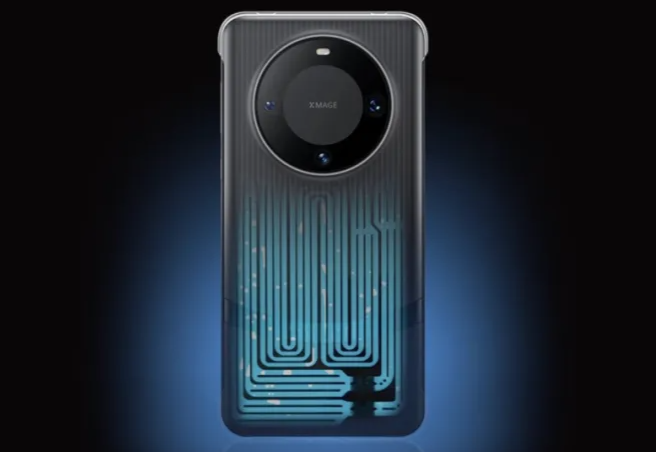
Industry Development Trends
1. Integrated, Modular Solutions Lowering the Barrier for Terminal Adoption
The industry has upgraded from "single pump core supply" to integrated module delivery of pump body + microfluidic channels + low-power driver IC + thermal control algorithm. No need to debug the fluid circuit; direct structural stacking and integration greatly shortens the project cycle.
2. Low-Voltage, Ultra-Low-Power Driver Chips
A new generation of dedicated piezoelectric driver ASICs has achieved optimization for direct-drive solutions from smartphone batteries, greatly reducing the system complexity of traditional high-voltage driving and completely resolving the mass production challenges of relatively high power consumption and complex circuits.
3. Fully Mature Domestic Supply Chain, Entering a Cost-Reduction Channel
Piezoelectric ceramic stacks, pump body structures, high-voltage driver ICs, and microfluidic packaging have achieved full-chain localization. 2025--2026 will enter a period of large-scale cost reduction, with costs continuing to decline, providing potential for penetration into mid-range models.
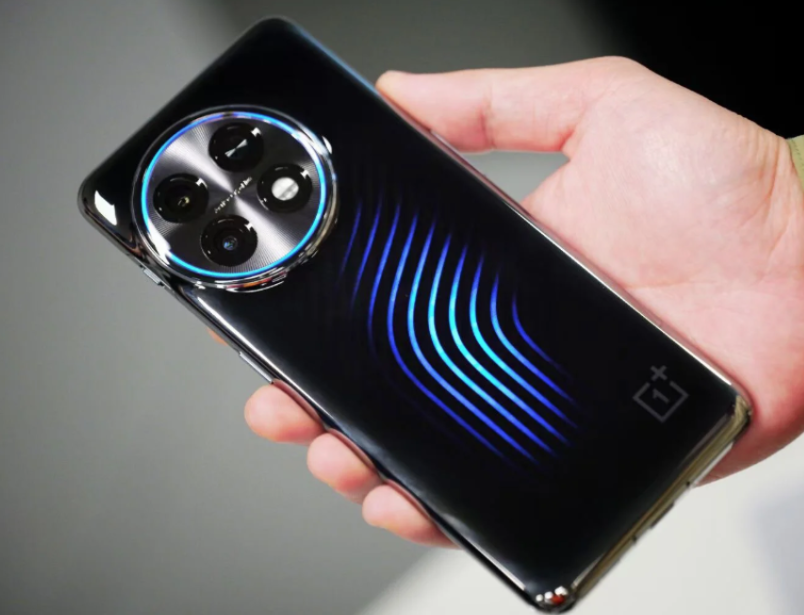
From the Perspective of Terminal Smartphone Manufacturers: Mass Production Value, Implementation Pain Points, and Solutions
1. Core Mass Production Value
Product Level: Solving the Biggest Shortcoming of AI Flagships------Thermal Throttling. Current on-device large models, AI photography, and gaming supercomputing continue to operate under high loads. The extreme cooling capacity of traditional vapor chambers has already reached its ceiling. Frequent frequency reduction, lag, and hot chassis have become core complaints from high-end phone users. Piezoelectric active liquid cooling can increase the duration of sustained computing power release by 30%--60%, making it the most intuitive performance upgrade selling point for flagship models.
Experience Level: Silence, Low Temperature, and Thinness All at Once. Say goodbye to fan noise, concentrated chassis hotspots, and thick stacking issues, supporting the brand's high-end texture positioning.
Supply Chain Level: Domestic Replacement, Autonomous Controllability. Break away from overseas monopolies in liquid pumps and high-end cooling components, establish dual backup for the domestic thermal management supply chain, and reduce supply risks and long-term procurement costs.
2. Core Pain Points for Terminal Adoption
Pain Point 1: System Debugging Risks Caused by High-Voltage Driving ------
Traditional piezoelectric driving voltages are high, posing risks of leakage, power consumption, and interference;
Pain Point 2: Concerns About Micro Liquid Cooling Sealing and Leakage Reliability ------
Terminals are extremely afraid of liquid leakage corroding the motherboard and battery;
Pain Point 3: Long-Term Operating Flow Rate Decay ------
Early products experienced decreased cooling capacity after long-term operation;
Pain Point 4: Structural Stacking Space and Whole-Device Reliability Testing Pressure ------
Circuit stability under drop, bending, and thermal shock conditions.
3. Corresponding Mature Mass Production Solutions
Low-Power Dedicated Driver IC: The new-generation ASIC optimizes the voltage architecture, enabling direct battery drive, low harmonics, and low interference, with controllable whole-device power consumption;
Fully Sealed Microfluidic Packaging Process: Medical-grade sealing materials, passing all whole-device high-low temperature, damp heat, and drop tests, with zero leakage risk;
High-Stability Piezoelectric Ceramic Stacks: Fatigue life optimization, with flow rate decay controlled within 10% after 3,000 hours of continuous operation;
Passive + Active Hybrid Cooling Architecture: Passive cooling in normal mode preserves battery life; under high load, the piezoelectric pump actively intervenes to preserve performance, balancing experience and power consumption.
4. Terminal Adaptation Priority
First Priority: Foldable Flagships, AI Imaging Flagships ------
Extremely small space, extremely high computing power, and stringent user experience requirements make them most suitable for adoption;
Second Priority: Thin and Light High-End Tablets, XR Glasses ------
Fans cannot be deployed at all; piezoelectric liquid cooling is the only active cooling solution;
Third Priority: High-End Gaming Phones ------
Focused on sustained high-performance release, replacing traditional air cooling to achieve a silent gaming experience upgrade.
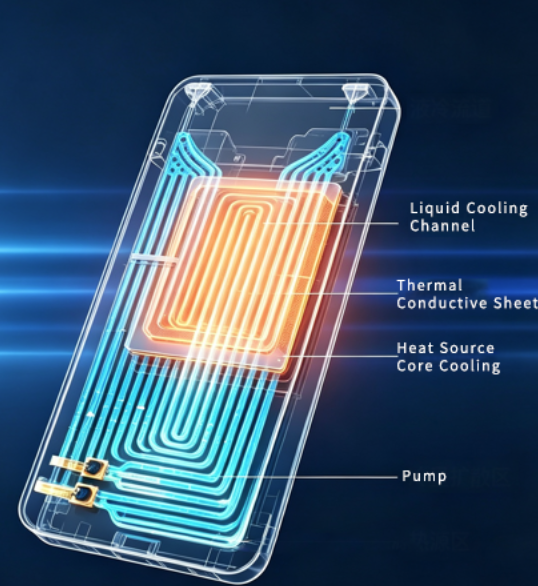
As on-device AI computing power continues to upgrade, traditional passive cooling has reached its physical limit, and micro active liquid cooling has become an inevitable technological trend for high-end intelligent terminals. With comprehensive advantages including ultra-thin stacking, zero EMI interference, ultra-low power consumption, silent controllability, and long-life reliability, the piezoelectric liquid pump has become micro active fluid cooling solution currently suitable for phones, foldable screens, and XR wearables.
For terminal manufacturers, the piezoelectric liquid pump is no longer a conceptual technology, but a new-generation thermal management core component that is mass-producible, implementable, differentiable, and cost-reducible, and will continue to lead the iteration of high-end consumer electronics cooling technology.




 Focus on us