When Fingertips Begin to “Speak”
Sit in a new smart electric vehicle, and the center console is a smooth glass panel. You tap the “A/C” icon—your fingertip receives a crisp “click,” as if you had pressed a real physical button. When you put on a headset and reach out to “touch” a virtual object, your fingertip feels subtle changes—you truly “feel” the virtual world.
This is not science fiction; it is the reality being enabled by piezoelectric haptic feedback actuators.
Traditional LRA (linear resonant actuators) and ERM (eccentric rotating mass) motors can only produce a vague “buzz,” incapable of reproducing realistic touch. Demand for high-definition haptics (HD-Haptics) is rising rapidly. Piezoelectric haptic actuators, relying on the inverse piezoelectric effect of piezoelectric ceramic materials, are breaking through the performance ceiling of electromagnetic motors. This technological breakthrough is arriving at a rapidly growing market inflection point.
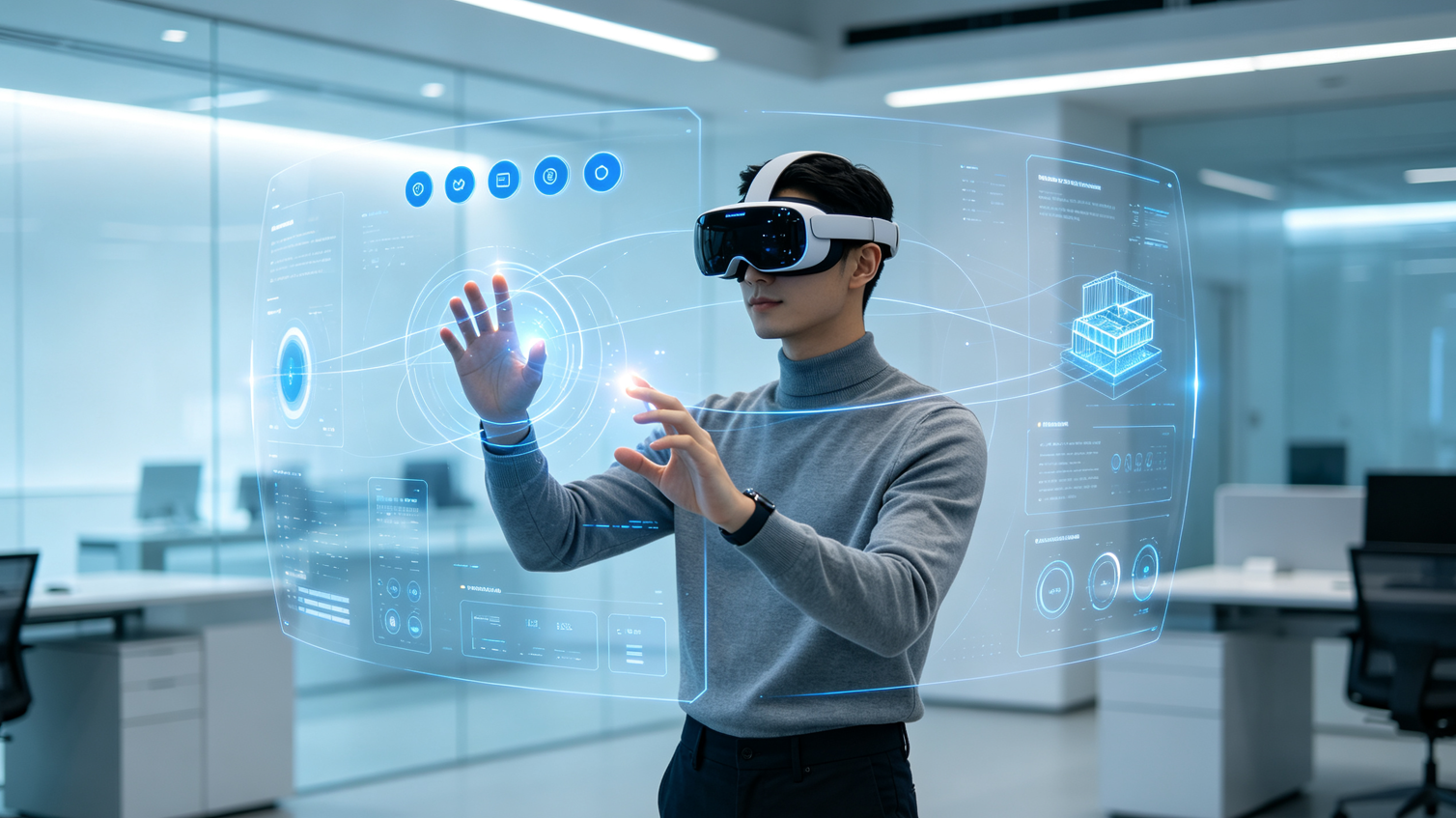
Haptic Feedback Enters the Hundred-Billion-Dollar Scale
The rise of piezoelectric haptic actuators is not an isolated technical event, but a microcosm of the entire haptic feedback market transitioning from “vibration alerts” to “immersive interaction.” In 2026, the total global market for haptic feedback-related hardware and solutions is expected to exceed the hundred-billion-dollar scale, with piezoelectric and magnetic levitation actuators becoming core directions of technology iteration.
From the demand side, three major sectors are advancing simultaneously:
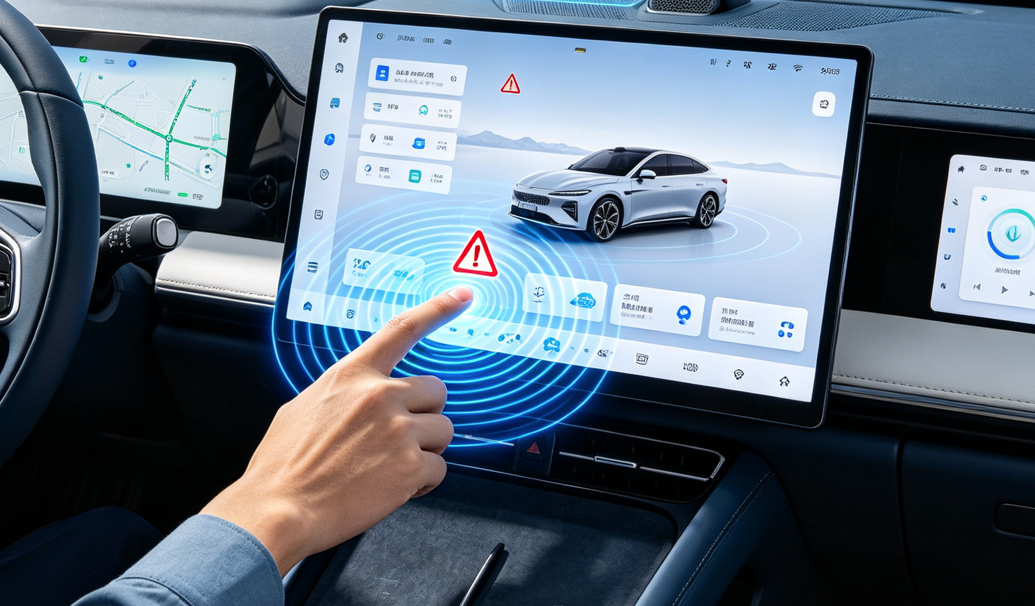
Automotive intelligent cockpits. The integration rate of haptic feedback in steering wheels, seats, and center displays is expected to approach 40% in 2026. As L3 autonomous driving gradually lands, driver state monitoring and warning increasingly depend on haptic feedback. In 2026, the number of haptic actuators per vehicle is expected to rise from 4.2 in 2025 to 7.8, driving demand growth in this segment to 26.9%.
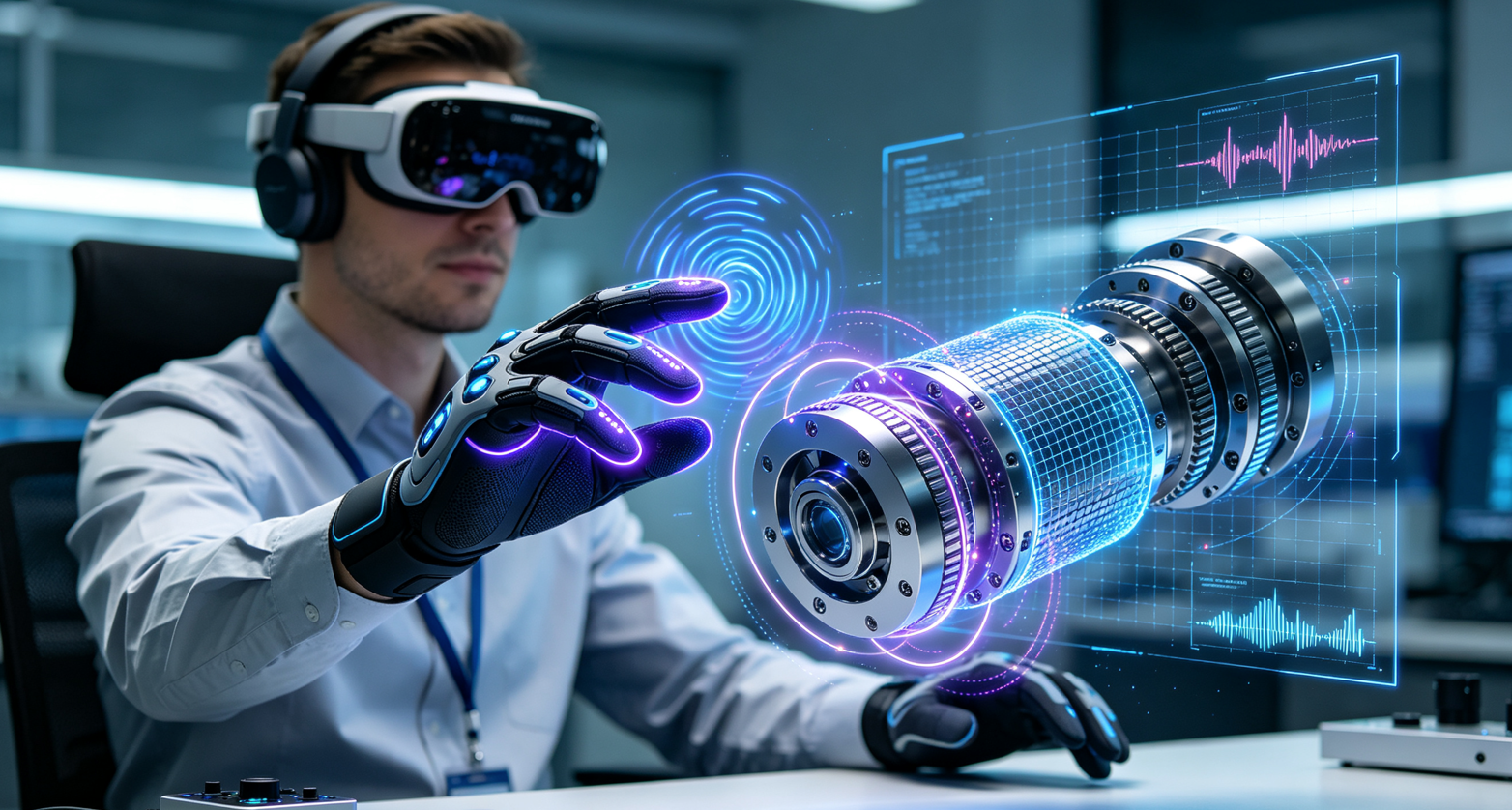
XR interaction devices. The proliferation of XR devices places stringent demands on haptic reproduction for fingertips, the back of the hand, and other fine areas, pushing actuators from eccentric rotating mass motors toward high-bandwidth, low-latency array solutions.
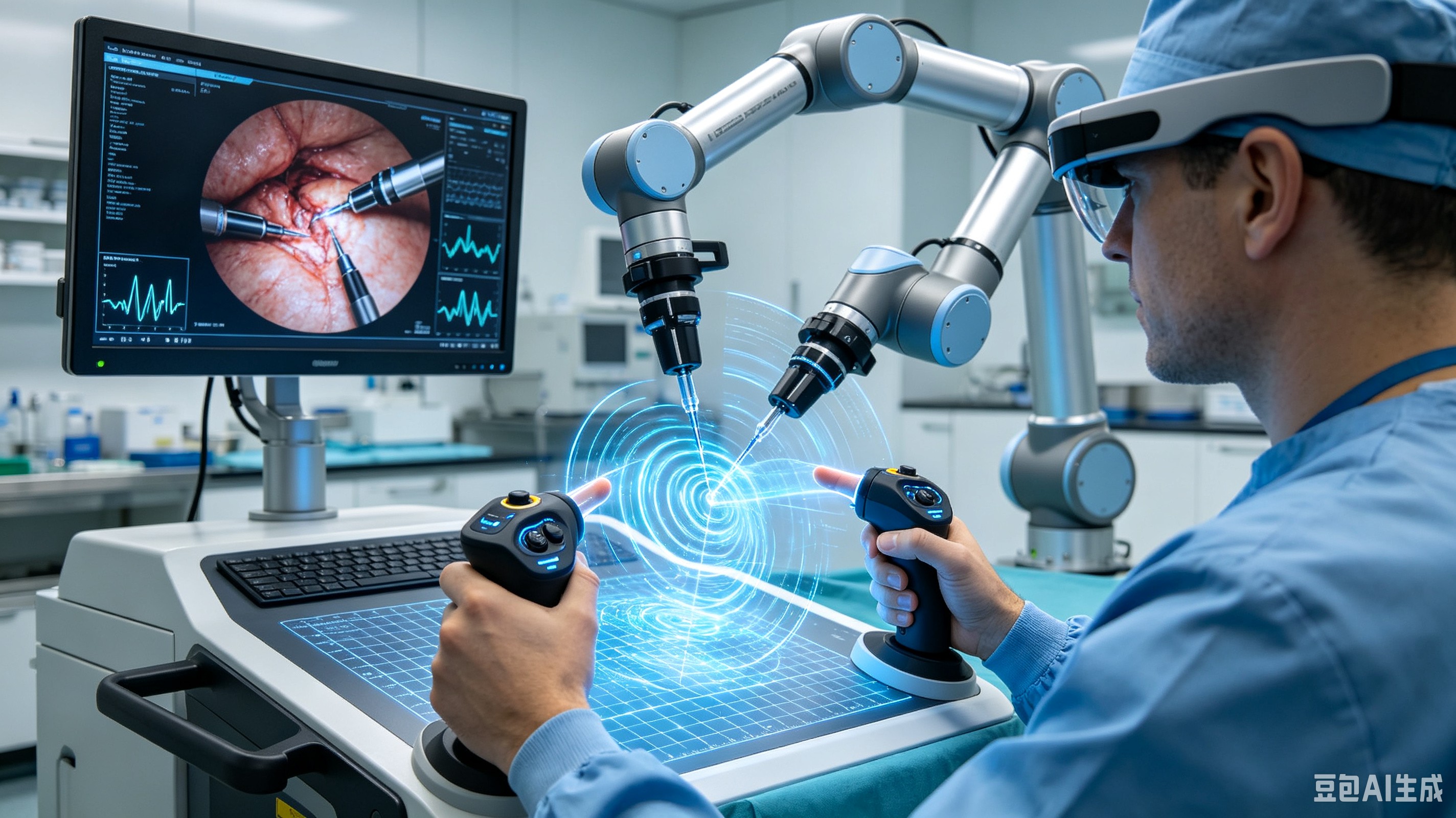
Medical surgical simulation and teleoperation. The demand for force-feedback precision in medical surgical simulators has led to a year-on-year increase of more than 30% in deployments of haptic systems with sub-millimeter positioning capability in teaching hospitals across North America and Europe. In this wave, piezoelectric haptic actuators, with their unique physical characteristics, are becoming core components in high-end human-machine interaction scenarios.
One Piece of Ceramic, Two Capabilities
The core carrier of a piezoelectric haptic actuator is a piezoelectric ceramic stack or thin-film material. Based on the direct and inverse piezoelectric effects, it can simultaneously provide sensing and actuation—the most distinctive characteristic of piezoelectric haptics and a physical advantage that other solutions cannot replicate.
l Inverse piezoelectric effect (actuation). When voltage is applied across the ceramic, the material undergoes micron-scale deformation, driving the contact surface to vibrate and output haptic feedback.
l Direct piezoelectric effect (sensing). When external pressure acts on the ceramic surface, the material deforms under force and generates an electric charge, enabling perception of pressure and contact position.
According to current industry benchmark parameters, multilayer PZT piezoelectric ceramics can achieve a response time below 5 ms, typical acceleration of 8–13 G, an operating frequency range covering 1–1000 Hz, and a thickness of approximately 0.8–2.1 mm.
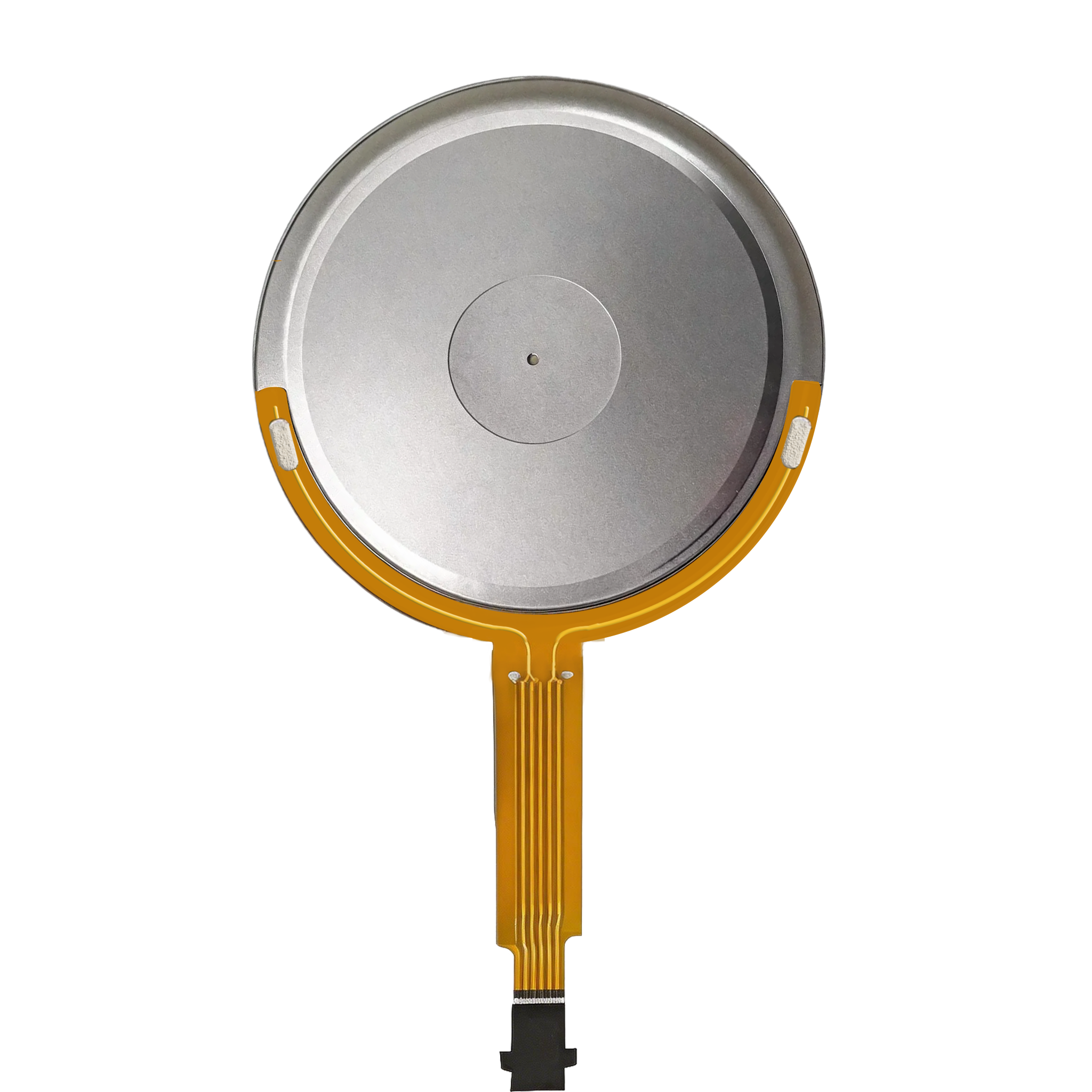
Comparing haptic feedback actuators with mainstream haptic solutions on the market provides a clearer view of the positioning and boundaries of piezoelectric haptics.
Comparison of Mainstream Haptic Solutions
Solution | Principle | Advantages | Limitations |
ERM | Eccentric rotor rotation generates vibration via centrifugal force | Low cost, simple structure | 50–100 ms response, high inertia, low-frequency coarse vibration only, brush wear, obvious EMI |
LRA | Electromagnetically driven spring-mass system resonates | Large amplitude, stable haptic feel, moderate cost | 20–30 ms delay, extremely narrow frequency band, no pressure sensing, may induce whole-device resonance |
Electrostatic haptics | Electric field changes friction between finger and panel | No moving parts, thin and lightweight | Acts only on fingertip skin; cannot produce a realistic “click” impact; highly affected by humidity |
Piezoelectric haptics | Piezoelectric ceramic electro-deformation, no inertial mass | Sub-millisecond response, wideband haptic rendering, integrated pressure sensing, ultra-thin and non-magnetic, array zone triggering | Micron-level displacement; requires 30–200 V high-voltage drive; ceramic brittleness requires structural protection |
l Sub-Millisecond Ultra-Fast Response, Eliminating Interaction Latency
Traditional LRA and ERM rely on inertial start/stop of a mass, resulting in noticeable delay. Piezoelectric ceramics rely on molecular-level deformation, achieving a response of 0.3–1 ms and triggering click feedback the instant a press occurs. The steering-wheel touch switches in the Zhijie RX use piezoelectric ceramic technology to achieve a 10 ms rapid response, with dual vibrations on press and release and a crisp 3 ms stop. The vibration feel is strong, clean, and free of vibration noise. This ultra-fast response closely reproduces the instantaneous feel of a physical button and avoids misoperation caused by human-machine interaction latency.
l Wideband Characteristics, Supporting Diverse Haptic Rendering
LRA can only operate at a single resonant frequency, resulting in a single haptic feel. Piezoelectric actuators can cover a wide frequency range of 1–1000 Hz. By adjusting the drive waveform, they can freely switch among crisp key clicks, rough textures, slight impacts, friction sliding, and other haptic sensations.
l Integrated Sensing and Actuation
The same piece of piezoelectric ceramic can both output haptic feedback and collect contact pressure. Compared with other solutions, no additional independent pressure sensor is required, reducing component count and saving PCB space. In a 2026 BMW patent on automotive interaction, piezoelectric ceramics are used to add a touch-sensing strip only a few millimeters high along the edge of an in-car screen. While ensuring touch sensitivity, it also provides good water and dust resistance, solving the problem of drivers easily mis-touching the screen during blind operation while driving.
l Ultra-Thin and Non-Magnetic, Low Electromagnetic Interference
The device thickness can be kept within 1 mm, making it suitable for curved glass, ultra-thin laptops, AR temple arms, and other compact structures. With no coils or magnets, electromagnetic interference is extremely low. It can coexist closely with ultrasonic sensors and MEMS sensing modules, making it suitable for medical devices, underwater special robots, and automotive cockpits with dense multi-sensor arrays.
l Array Zone Triggering, No Whole-Device Resonance
Piezoelectric devices can form dot-matrix arrays, generating haptic feedback only at the local position touched by the finger without inducing whole-device resonance. This characteristic enables independent touch feel in multiple zones.
l Long Life and High Reliability, No Mechanical Wear Parts
ERM has brush wear, and LRA carries the risk of spring fatigue and aging. Piezoelectric ceramics have no moving parts, offering stronger long-term operational stability and more easily meeting high-durability certification requirements such as automotive AEC-Q and industrial control panels.
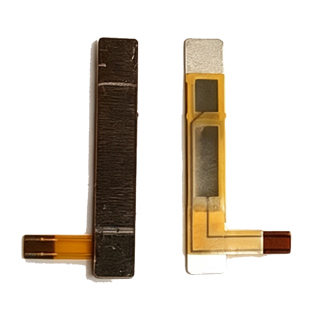
Item | Specifications |
Static Capacitance | 121 ± 15% nF |
Loss | < 4% |
Length | 25 ± 0.15 mm |
Width | 4.2 ± 0.05 mm |
Thickness | 1.05 ± 0.1 mm |
Displacement | 23 +5 μm |
Operating Voltage | -10 ~ 52 V |
Industry Hotspots and Application Cases
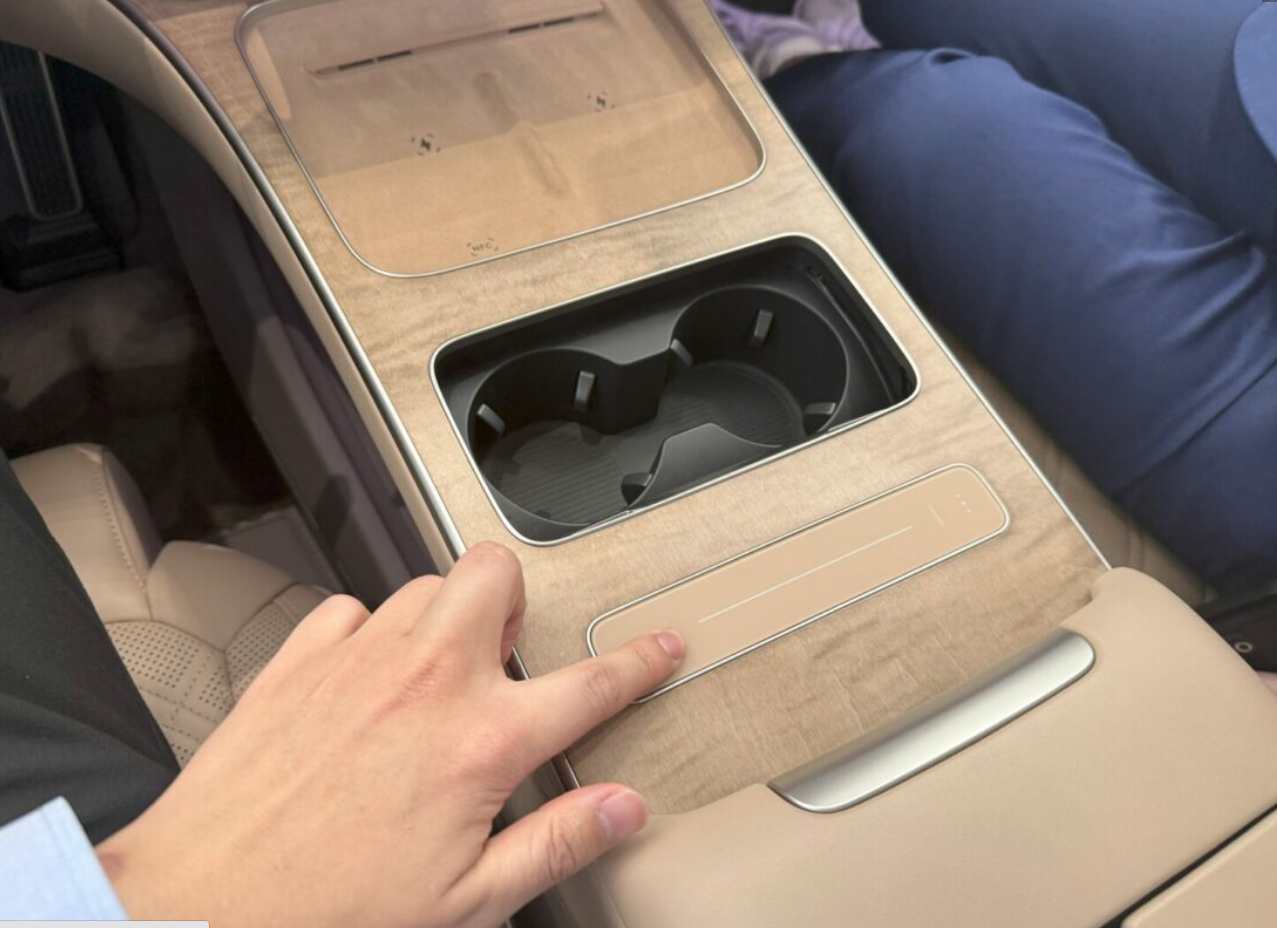
l Automotive cockpits accelerating adoption. Boréas haptic modules are integrated into the TUI Bar of the NIO ET9, making it the world’s first flagship EV with high-definition in-vehicle haptics. The Zhijie RX piezoelectric ceramic steering-wheel switch achieves 10 ms response and 3 ms stop and has entered mass production.
l XR and PC enter mass production/prototyping. Diver-X ContactGlove3 achieves 1.5 mm tracking accuracy with built-in haptic feedback. Framework Laptop 13 Pro uses a Boréas four-channel piezoelectric touchpad. At CES 2026, TDK PowerHap and TITAN Haptics Echo demonstrate texture simulation and magnetic levitation solutions.
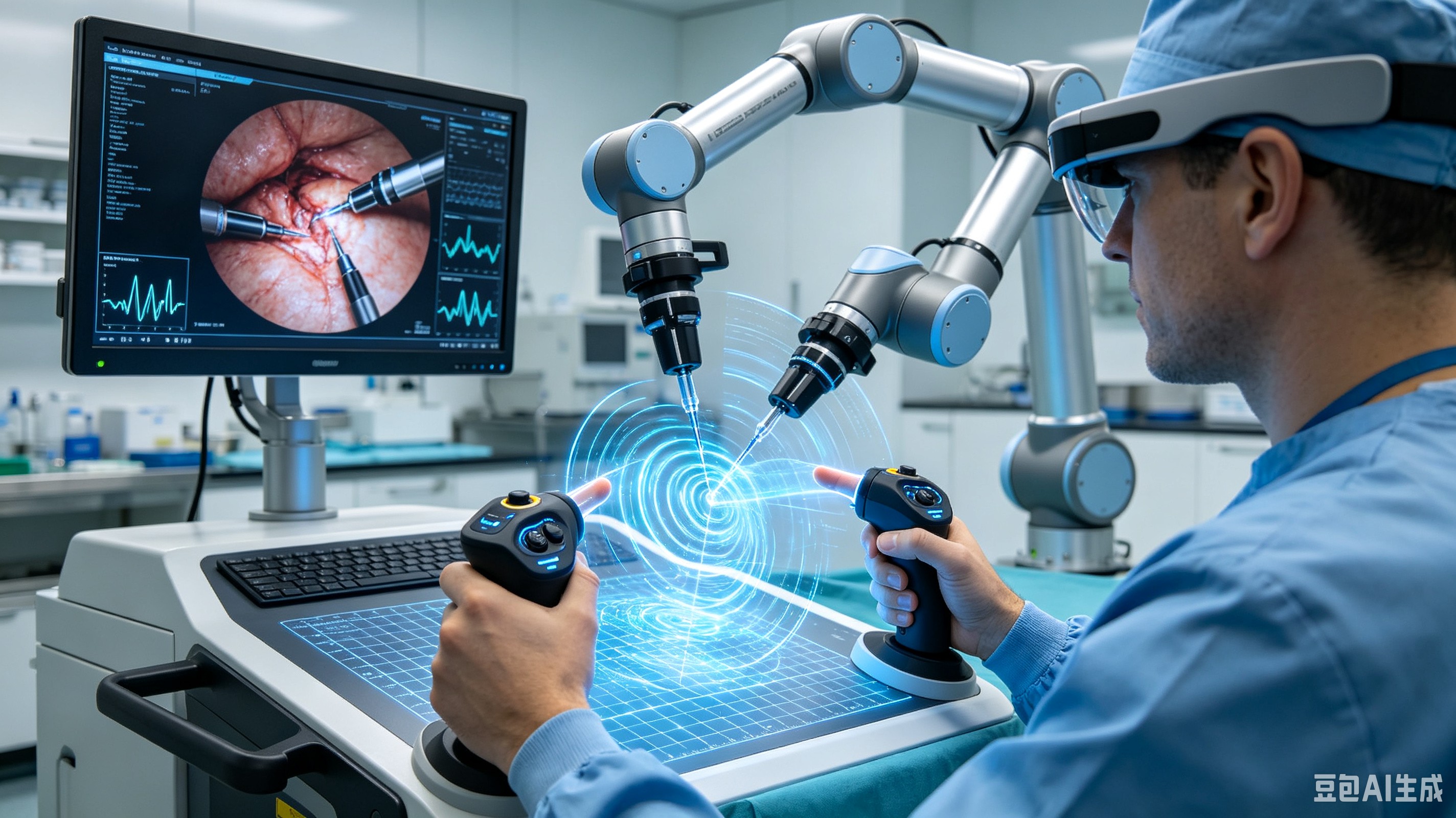
l Medical and scientific research open new scenarios. IEEE demonstrates MRI-guided puncture piezoelectric teleoperation with a tracking error of 0.318 mm. An MRI-compatible brain puncture robot uses non-magnetic piezoelectric actuators. Germany’s QuaeroSys piezoelectric haptic stimulator is used for MEG/fMRI/EEG brain function research.
Although adoption is accelerating, piezoelectric haptics is not intended to completely replace existing solutions. A more accurate assessment is that it is completing a selective upgrade in high-end scenarios.
High-definition haptic interaction is an inevitable direction for the evolution of human-machine interfaces. From the NIO ET9’s TUI Bar to Framework’s piezoelectric haptic touchpad, from Diver-X’s ContactGlove3 to the MRI-compatible brain puncture robot, piezoelectric haptic feedback actuators are opening up entirely new interaction spaces in automotive, XR, and medical robotics.
Whether you are an automotive Tier 1 supplier, an XR device brand, or a surgical robot solution integrator, now is the best time to evaluate piezoelectric haptic solutions.




 Focus on us